
Living in Cyprus
Where does Cyprus get its water, and could it run out?
In summer you can go for months here without seeing rain. Yet every day we turn on taps, take showers, fill swimming pools and water gardens. Where does all that fresh water come from, and why is a good winter downpour genuinely an occasion?
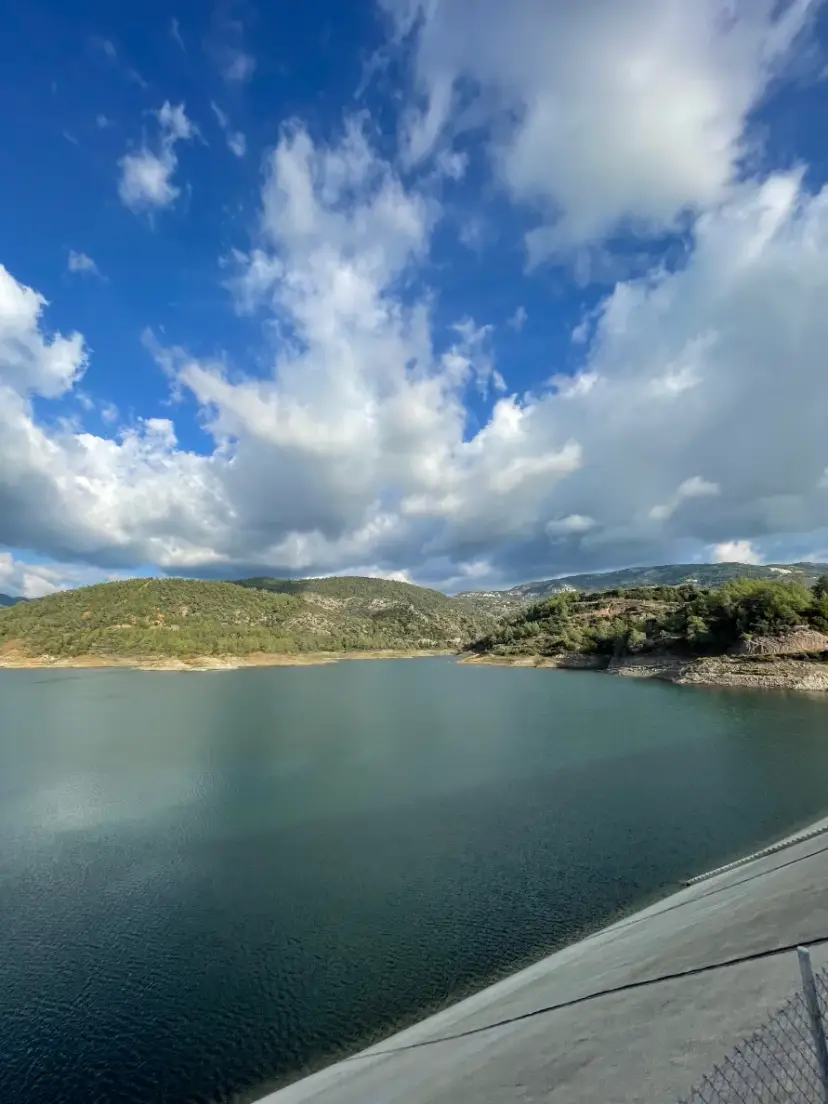 Why does Cyprus wait for rain?Kannaviou Dam
“After a couple of years in Cyprus, a rainy day suddenly stops feeling like bad weather.”
Why Cyprus celebrates rain
Something curious happens here in winter. A few days of steady rain can noticeably lift the spirits of people who normally much prefer the sun.
The reason is a practical one. Most of the rain falls during the winter months, which is also when the reservoirs fill up. So after a few heavy downpours, the conversation is not only about flooded roads, but about how much water the dams have gained.
On 30 September 2026, Cyprus’s reservoirs held roughly 104 million m³ of water, or 35.8% of total capacity. A year earlier, at the same point in the season, they held just 36 million m³, or 12.4%.
After a while in Cyprus, you begin to understand the enthusiasm. A third day of rain outside the window suddenly does not seem quite so gloomy.
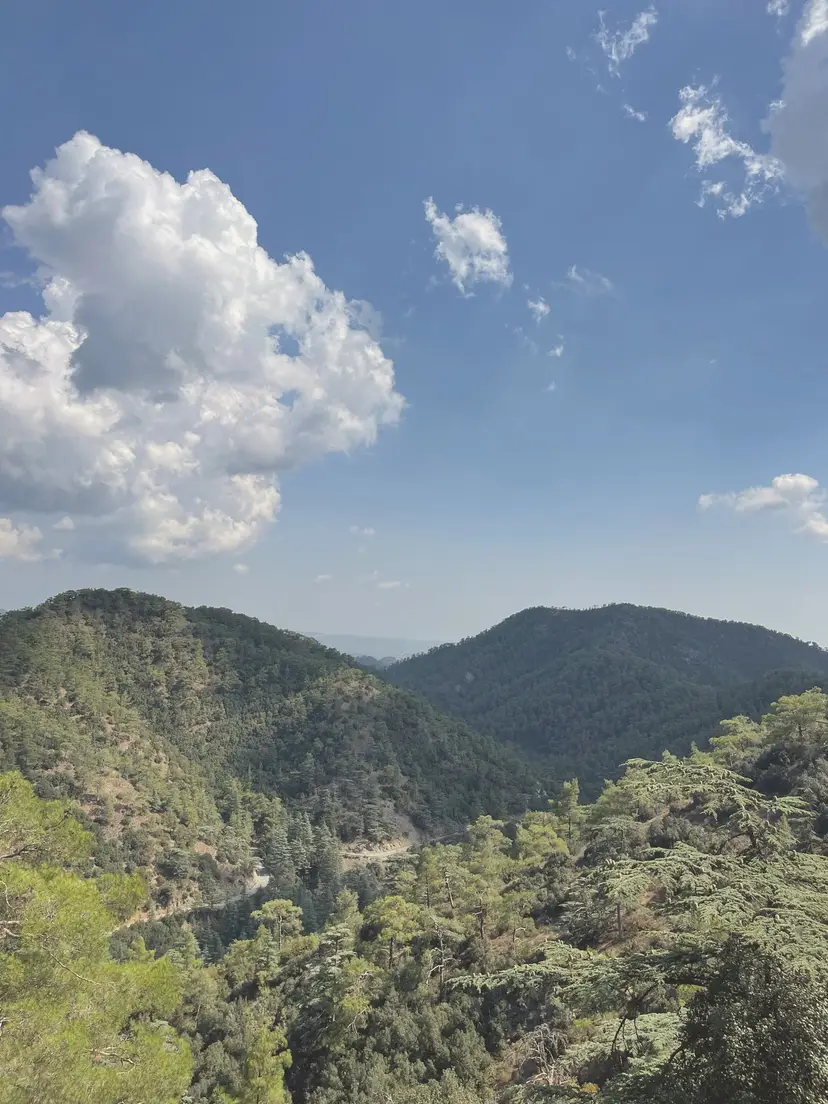 This is where the winter rains begin.
Little rain falls, and less still is kept
How Cyprus learned to collect the rain
In Cyprus, waiting for rain is not enough. You also have to find a way to keep it.
So for decades Cyprus built dams, reservoirs and pipelines to store some of the winter rain for the long dry season. Today, the country’s main reservoirs can hold around 290 million m³ of water.
But holding is not the same as having. In January 2026, they contained only 29.6 million m³, around 10% of their total capacity.
The scale of the problem was especially clear at Kouris. Cyprus’s largest reservoir can hold almost 115 million m³, yet in January it was only around 9% full.

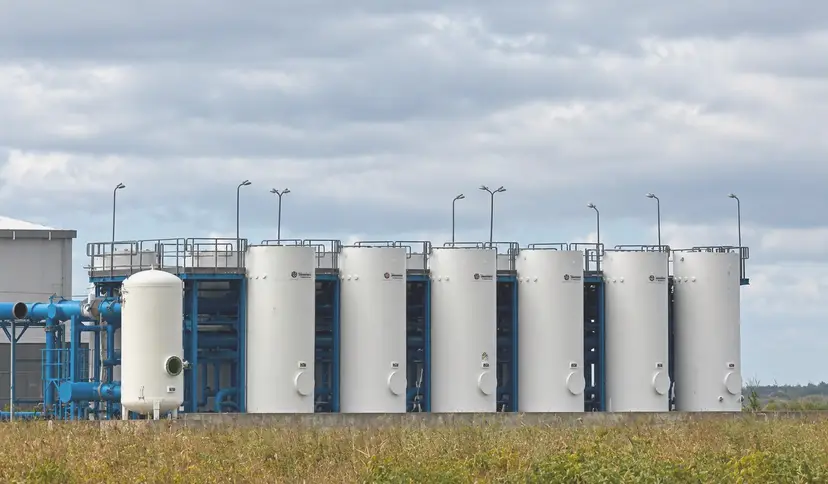 Desalination changes the rules
Water from the sea
Cyprus has one source of water that does not depend on rain at all. The sea.
In April 1997, the first large desalination plant came into service at Dhekelia. Almost thirty years later, desalination supplies around 80% of the country’s drinking water.
Now Cyprus intends to go a step further. The goal for 2027 is to meet virtually all drinking water needs through desalination. New capacity is being built at Dhekelia, Ayia Thekla, Polis Chrysochous and Limassol.
Together, these plants are expected to produce up to 180,000 m³ of water a day.
2008: water arrives from Greece by ship
During the severe water crisis of 2008, the existing capacity proved insufficient, and Cyprus began bringing water from Greece by tanker. The government arranged the delivery of some 8 million m³ of water. Transport alone cost roughly €35 million, with the water itself costing a further €4.4 million.
The crisis accelerated the expansion of desalination in Cyprus.

Water used twice
Cyprus reuses around 90% of its treated wastewater, and that recycled water meets roughly 37% of the country’s irrigation needs. This leaves more fresh water available for other uses and for the ecosystems that depend on it.
Can you drink the tap water?
Yes. Drinking water quality is monitored all the way to the consumer’s tap. The pipes and water tank inside a particular building, however, are another story.

Written by the kids.cy editorial team. Reproduction of our content is permitted only with an active link to kids.cy.